Reading time:
Last updated:
July 27, 2026
Why privacy-first infrastructure matters now
The way advertising has traditionally recognized audiences is under pressure from every direction. Third-party cookies are fading, mobile identifiers are more restricted, and expectations around personal data keep tightening. The old default, track individuals and build personal profiles, is now both riskier to hold and harder to sustain.
Platforms still need the same outcomes: reach the right audiences, manage frequency, and connect exposure to results. What has to change is how they get there. Privacy-first infrastructure is the response. It keeps the capability, addressability and audience precision, while removing the personal-data liability that used to come with it. That is why it has moved from a nice-to-have to the foundation serious platforms build on.
What privacy-first actually means
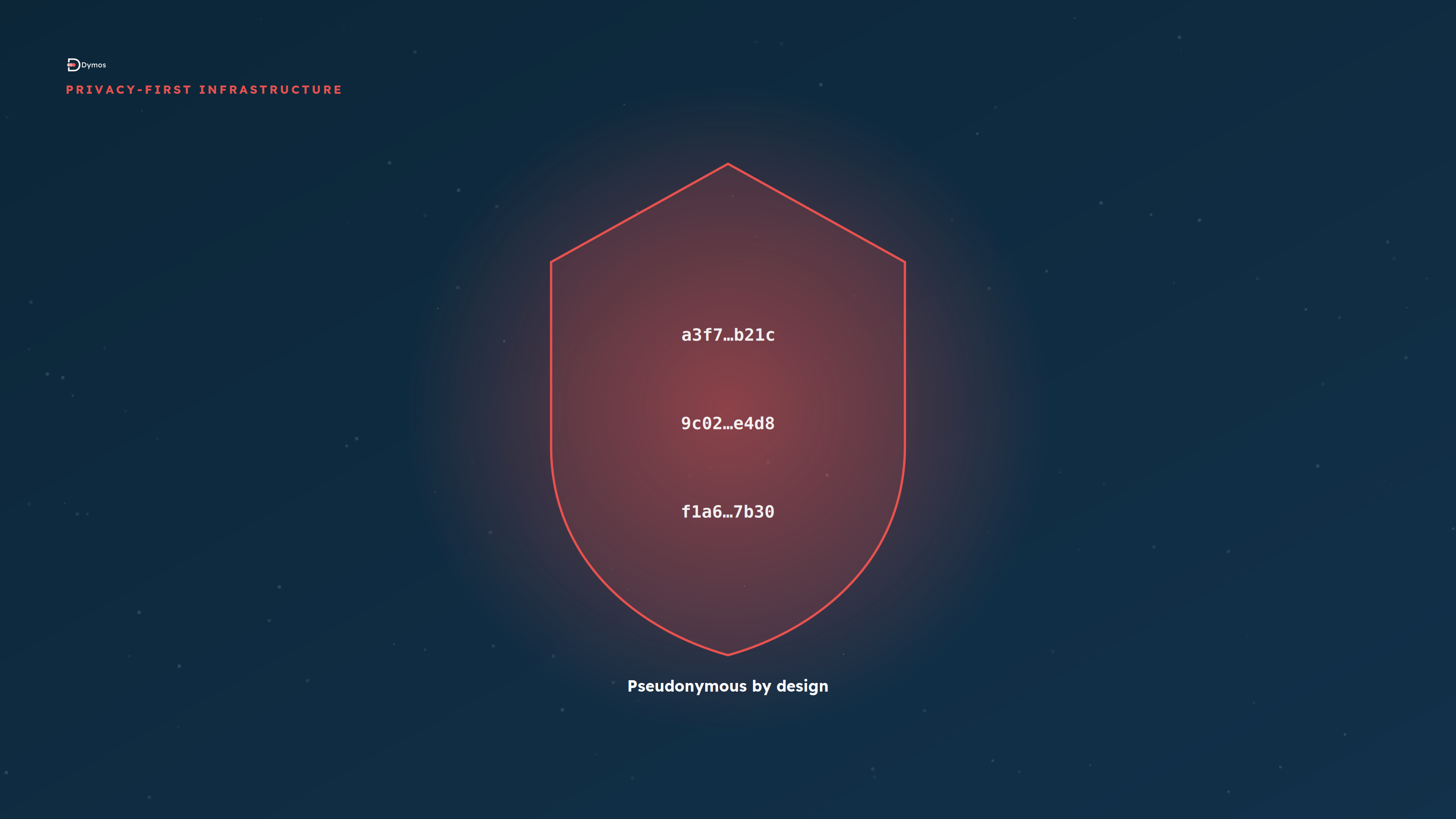
Privacy-first is an architecture choice, not a policy applied at the end. It means the raw personal data that creates risk is never the working material in the first place. The system is designed around pseudonymous signals, so reach and behavior stay visible while the individual stays anonymous.
The contrast is between bolt-on privacy and privacy by construction. Bolt-on privacy collects everything, then adds rules and restrictions to manage the risk. Privacy by construction is built so the risky data is never held at all. The second approach is harder to engineer but far safer to operate, because you cannot leak or misuse data you never collected.
Privacy-first vs privacy-compliant
The two sound similar but describe different things. Compliance is the floor: meeting the applicable rules in each market. Privacy-first is a design stance: building so that risk is structurally low, which tends to make compliance easier as a byproduct rather than a constant effort.
The practical difference matters for platforms. A privacy-compliant system can still be built on personal profiles, kept in line with the rules through access controls and process. A privacy-first system is designed to avoid personal profiles in the first place. Infrastructure built on pseudonymous signals is an asset that lowers your risk surface, not a liability you have to keep managing.
How privacy-first infrastructure works
A few design principles do most of the work.
It uses pseudonymous identifiers. Hashed emails, which are scrambled and non-reversible, mobile advertising IDs, and household IP context stand in for people, so no raw names, contact details, or sensitive attributes are handled as working data.
It treats location as area-level and household-level context. Where someone is based is delivered as an inferred area rather than a precise individual trace, which keeps the signal useful for planning and activation without becoming surveillance.
It works through connections, not profiles. The value comes from linking pseudonymous identifiers and enriching them with observed behavior, so a platform sees a reachable audience and how it behaves, not who its members are. And every signal carries documented lineage, so its origin and method are known, with processing designed so raw personal data is not moved around.
What privacy-first infrastructure enables
The point of all this is that privacy and capability are not a trade-off. Built correctly, privacy-first infrastructure delivers the same outcomes the old model promised.
It enables addressability without personal profiles, so platforms can recognize and reach audiences across channels. It supports behavioral audiences built from pseudonymous signals rather than demographic guesswork. And it makes identity resolution possible, connecting fragmented identifiers into one recognizable view without exposing individuals. In each case the role is infrastructure: it loads into the systems a platform already runs, and the platform does the activation.
Build vs buy: why platforms adopt it
Building privacy-first infrastructure in-house is genuinely hard. It means solving coverage across markets, keeping connections current, engineering privacy into the architecture, and integrating cleanly with existing systems, all at once and all to a high standard.
This is why many platforms buy it as infrastructure rather than building it. Adopting a privacy-first layer lets them offer the capability to their buyers without expanding their own risk surface or standing up a data-engineering effort. The best of these partners enhance the systems a platform already runs rather than replacing them, so a team can start with one use case and expand as results justify it.
What to look for in a privacy-first partner
A few things separate genuine privacy-first infrastructure from a label. The partner should work with pseudonymous signals, not personal profiles, and privacy should be built into the architecture rather than bolted on. Signals should carry clear lineage, so their origin and method are documented. Coverage should be consistent across your markets, and connections refreshed on a predictable cadence. Integration should fit the systems you already use.
The strongest signal is honesty about certainty. A partner that distinguishes connections supported by strong, observed evidence from those that are modeled is giving you the information you need to use the data responsibly, which is itself part of being privacy-first.
Bringing it together
Privacy-first advertising infrastructure is how modern advertising keeps addressability and audience precision while dropping the personal-data liability. It works with pseudonymous signals instead of personal profiles, treats privacy as architecture rather than an afterthought, and delivers reach and behavioral insight without exposing who anyone is.
As signal gets scarcer and expectations keep tightening, the platforms that treat privacy as a design principle, not a compliance chore, are the ones that keep performing without accumulating risk. That is the shift privacy-first infrastructure represents: not less capability, but the same capability built to last.
Frequently asked questions
What does privacy-first advertising infrastructure mean?
It is the identity and audience layer beneath AdTech that is designed to work with pseudonymous signals rather than personal profiles, so platforms keep addressability and audience precision without collecting or exposing who someone is.
Is privacy-first the same as privacy-compliant?
No. Compliance means meeting the applicable rules. Privacy-first is a design stance that keeps risk structurally low by avoiding personal profiles in the first place, which tends to make compliance easier as a byproduct.
Does privacy-first infrastructure use personal data?
It works with pseudonymous signals, such as non-reversible hashed emails, mobile IDs, and household-level IP context, not raw names, contact details, or sensitive attributes. The individual stays anonymous.
How does it keep addressability without third-party cookies?
It connects pseudonymous identifiers and enriches them with observed behavior, so platforms can recognize and reach audiences across channels without relying on cookies or personal profiles.
Why do platforms buy privacy-first infrastructure instead of building it?
Building it in-house means solving coverage, refresh, privacy architecture, and integration all at once. Buying it lets a platform offer the capability to its buyers without expanding its own risk surface or data-engineering effort.