Advertising Identifiers in 2026: A Practical Guide to What Still Works
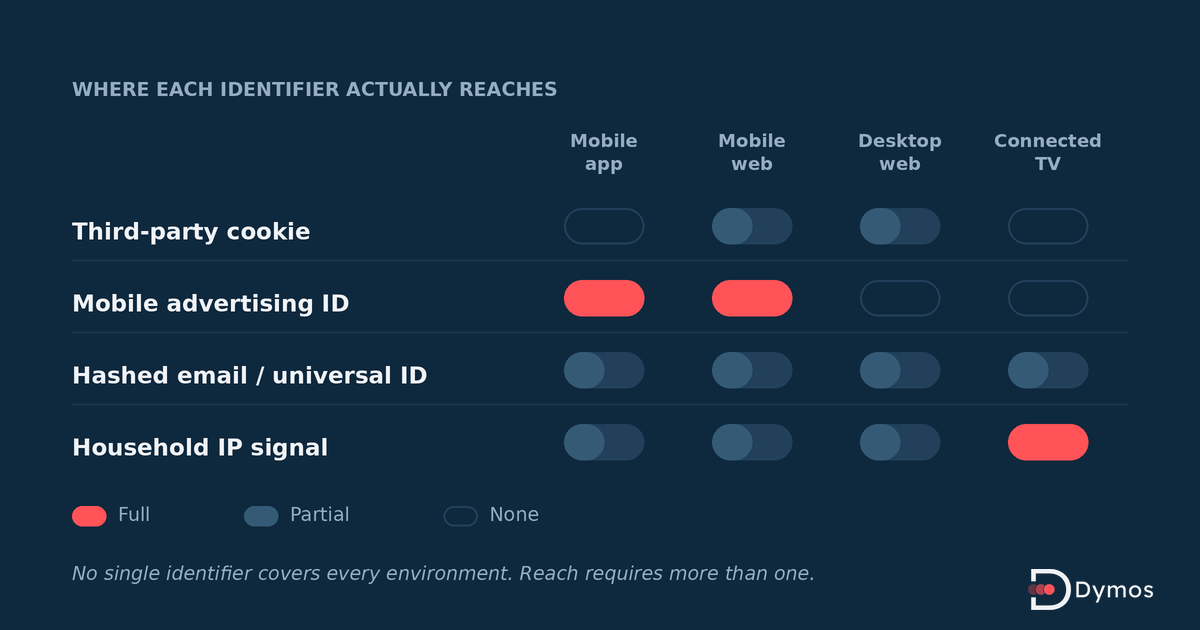
Nothing replaced third-party cookies universally. What cookies, MAIDs, hashed email, universal IDs and household signals each actually cover in 2026, and why no single one works everywhere.
Choosing an Identity Data Provider: What to Consider
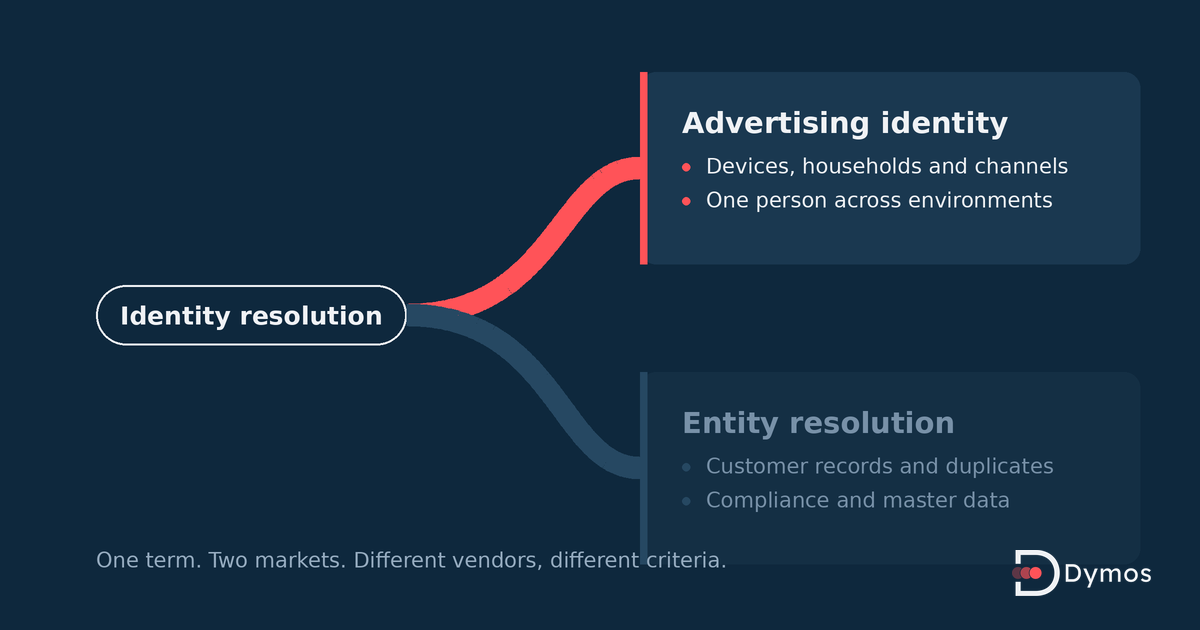
Searching for an identity data provider returns results from two separate markets: advertising identity and enterprise entity resolution. This guide covers what actually matters when comparing options in the advertising category, from coverage by market through to how pricing behaves at scale.
Automated Buying Does Not Fix Bad Audience Data
DMEXCO returns to Cologne on 23 and 24 September under the motto Scaling Intelligence, and the framing is deliberately unglamorous. The question is no longer whether artificial intelligence can do interesting things in marketing. It is why so few organisations have turned it into measurable commercial value.
Scaling Identity for Agentic Media Buying: What AI-Driven Systems Need from Your Signal Layer
The most quoted phrase from DMEXCO 2026 will not be about AI itself. It will be about what AI runs on. Agentic media buying is the year's clearest example of a technology that has finally moved from panel talk to production floor. AI-driven planning, autonomous bidding, self-optimizing creative rotation, and predictive audience selection are no longer future-state ideas. They are operational at scale across DSPs, agencies, and retail media platforms.The obvious question everyone is asking is how fast these systems can scale. The less obvious one, and the one that will actually determine winners, is what they can scale on.
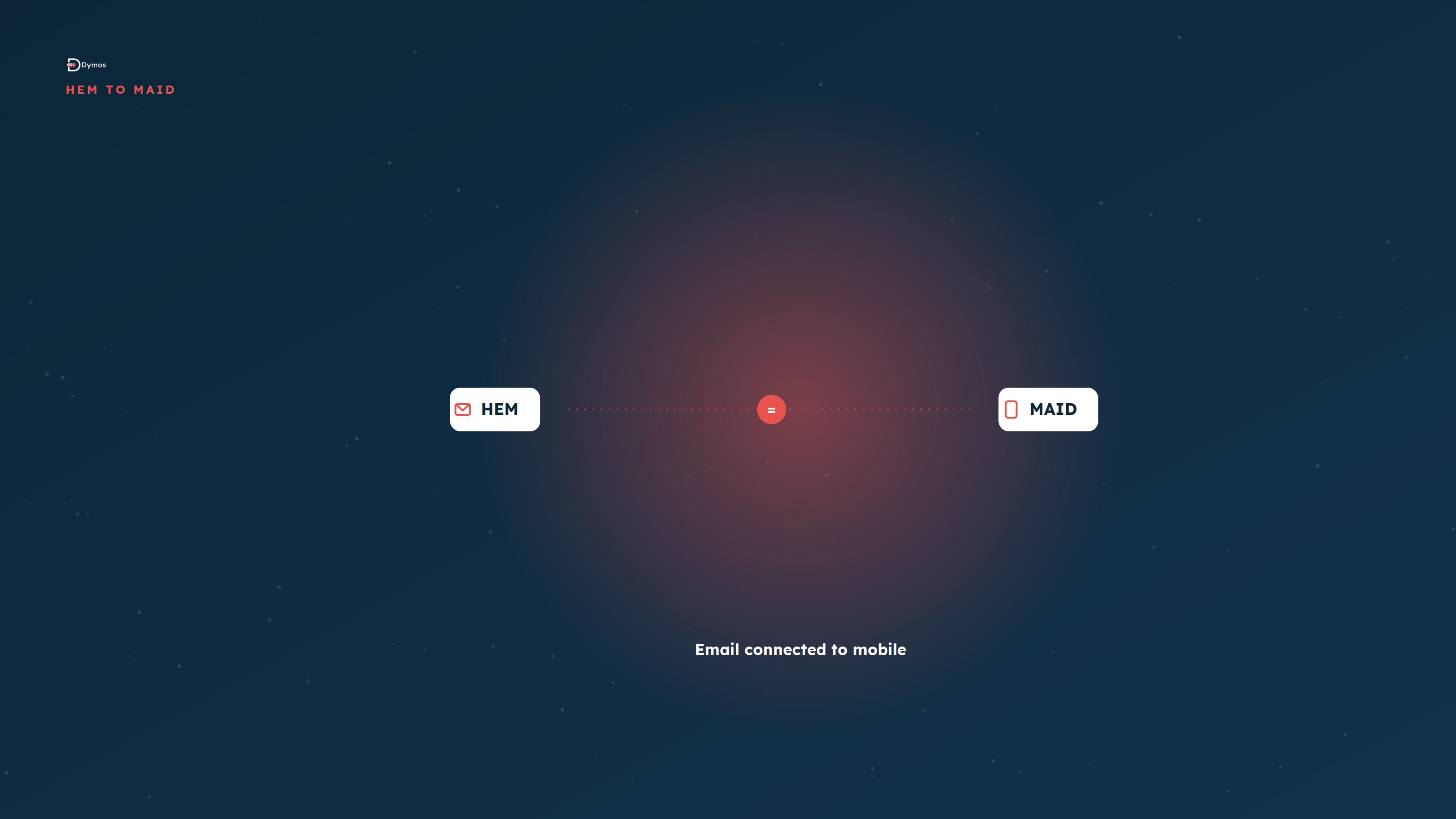
HEM to MAID: Connecting Hashed Emails to Mobile IDs
HEM to MAID is the connection between a hashed email address (HEM) and a mobile advertising ID (MAID). It lets an email-based audience be recognized and reached in mobile environments, which is one of the most effective ways to lift match rates without third-party cookies.
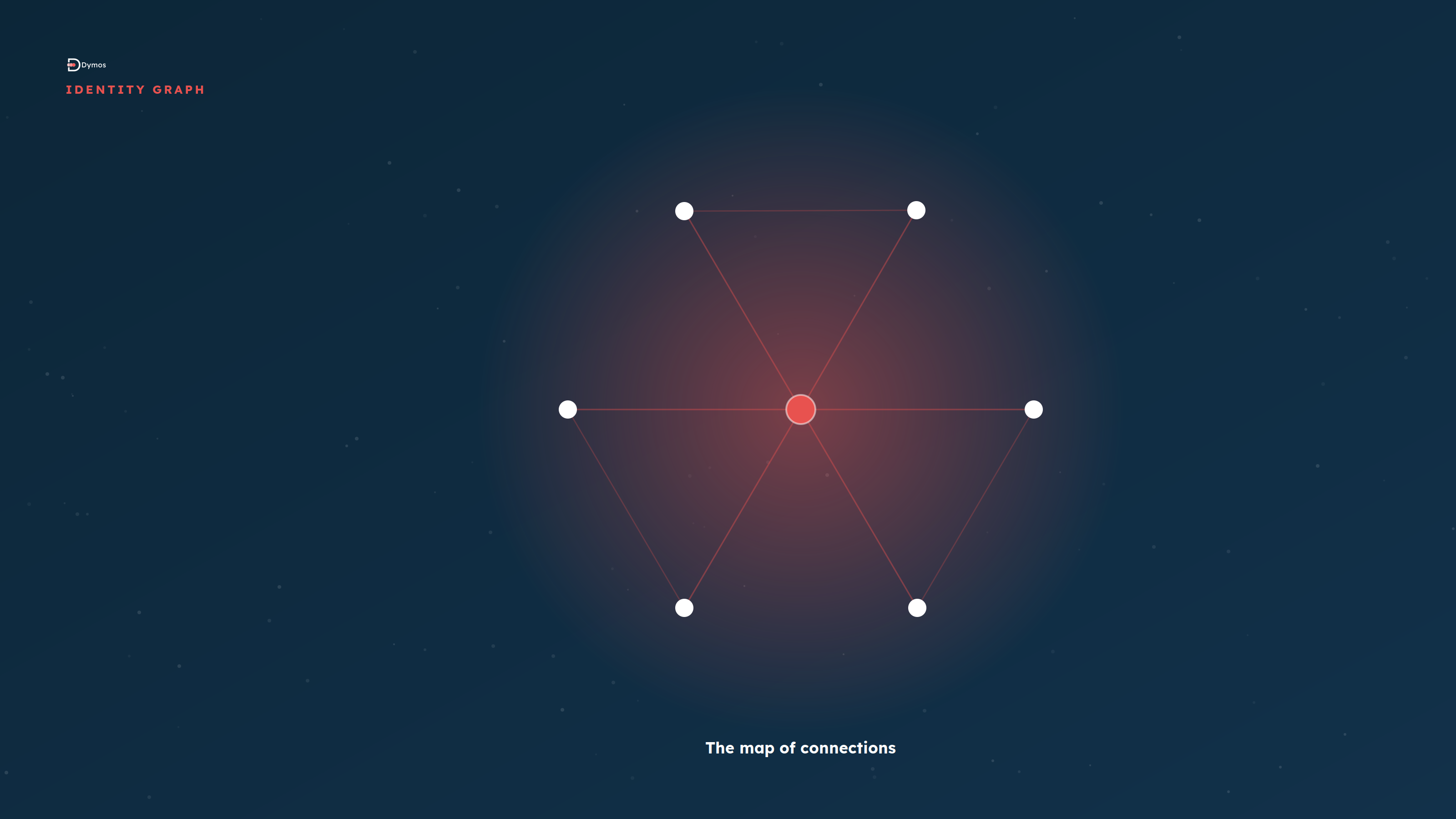
What Is an Identity Graph? A Clear Explanation
An identity graph is the underlying map of connections between the many identifiers one person or household carries, hashed emails, mobile advertising IDs, household IP and more. It is what lets a platform recognize that scattered identifiers belong together, so an audience can be reached consistently across devices and channels.

Choosing an Identity and Audience Partner: A Buyer's Guide
Choosing an identity and audience partner is less about who has the most data and more about who can prove the quality behind it. The right partner gives you consistent coverage, documented lineage, privacy built into the architecture, integration that fits your systems, and honesty about how certain each connection is.
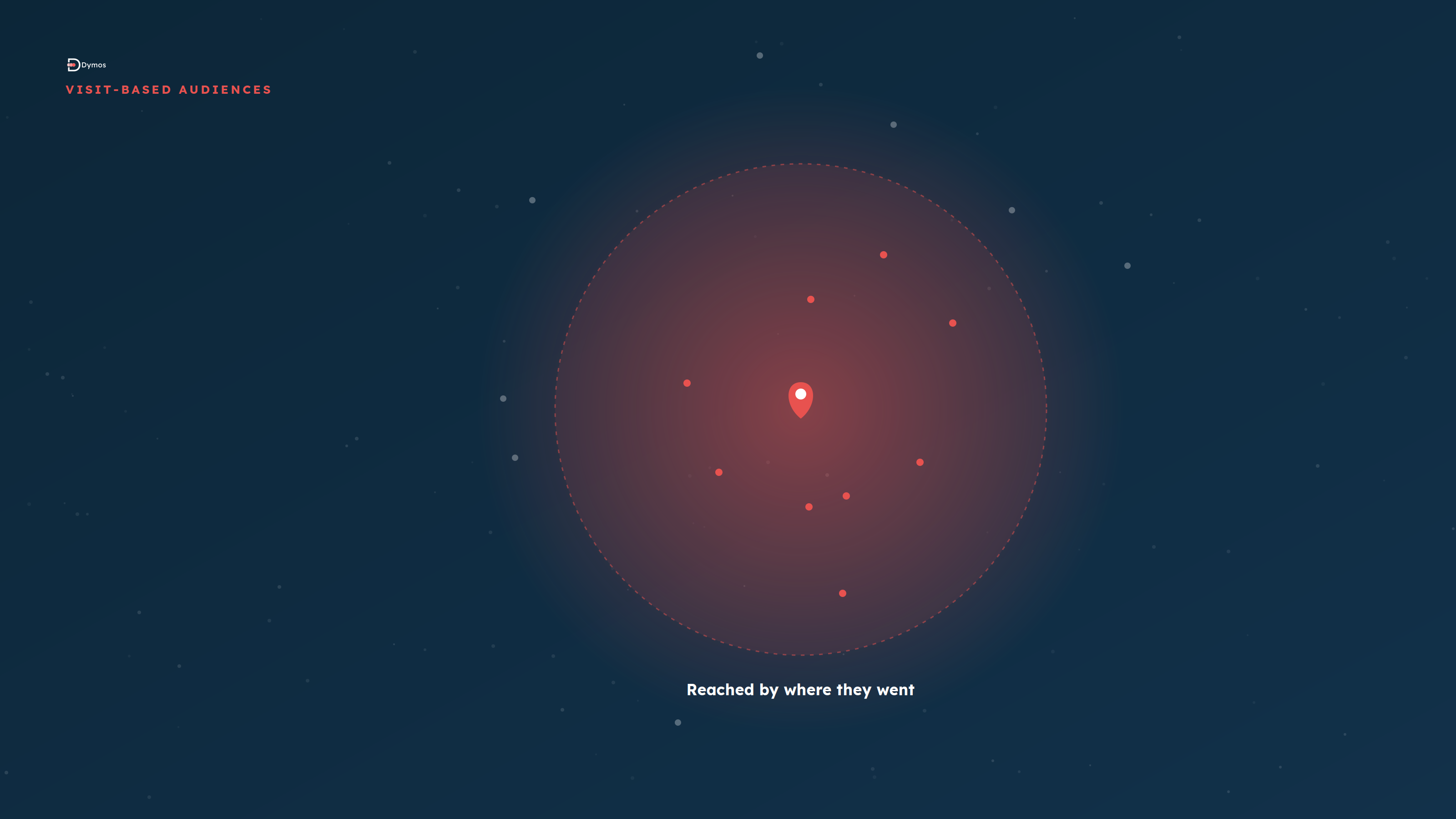
Visit-Based Audiences: Reaching People by Where They Went
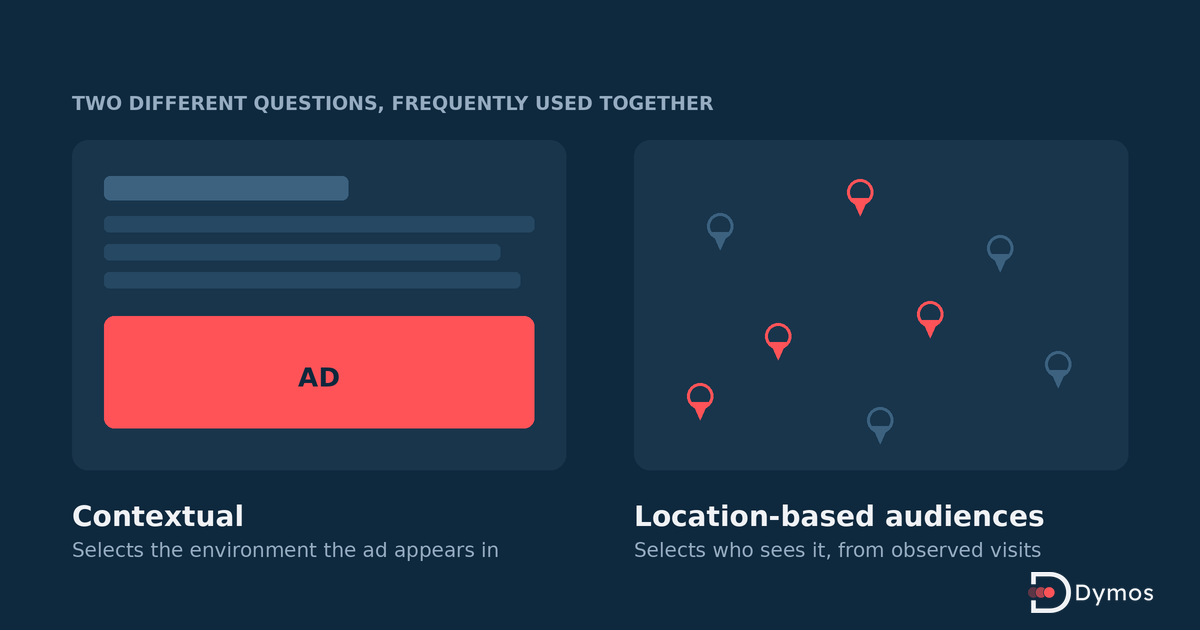
Visit-based audiences group people by the real-world places they actually visited, a coffee chain, a category of store, a competitor's location, rather than by demographic assumptions. Because they are built on observed visits, they reach genuine intent, and they can be tuned to separate real visitors from people who simply passed nearby.
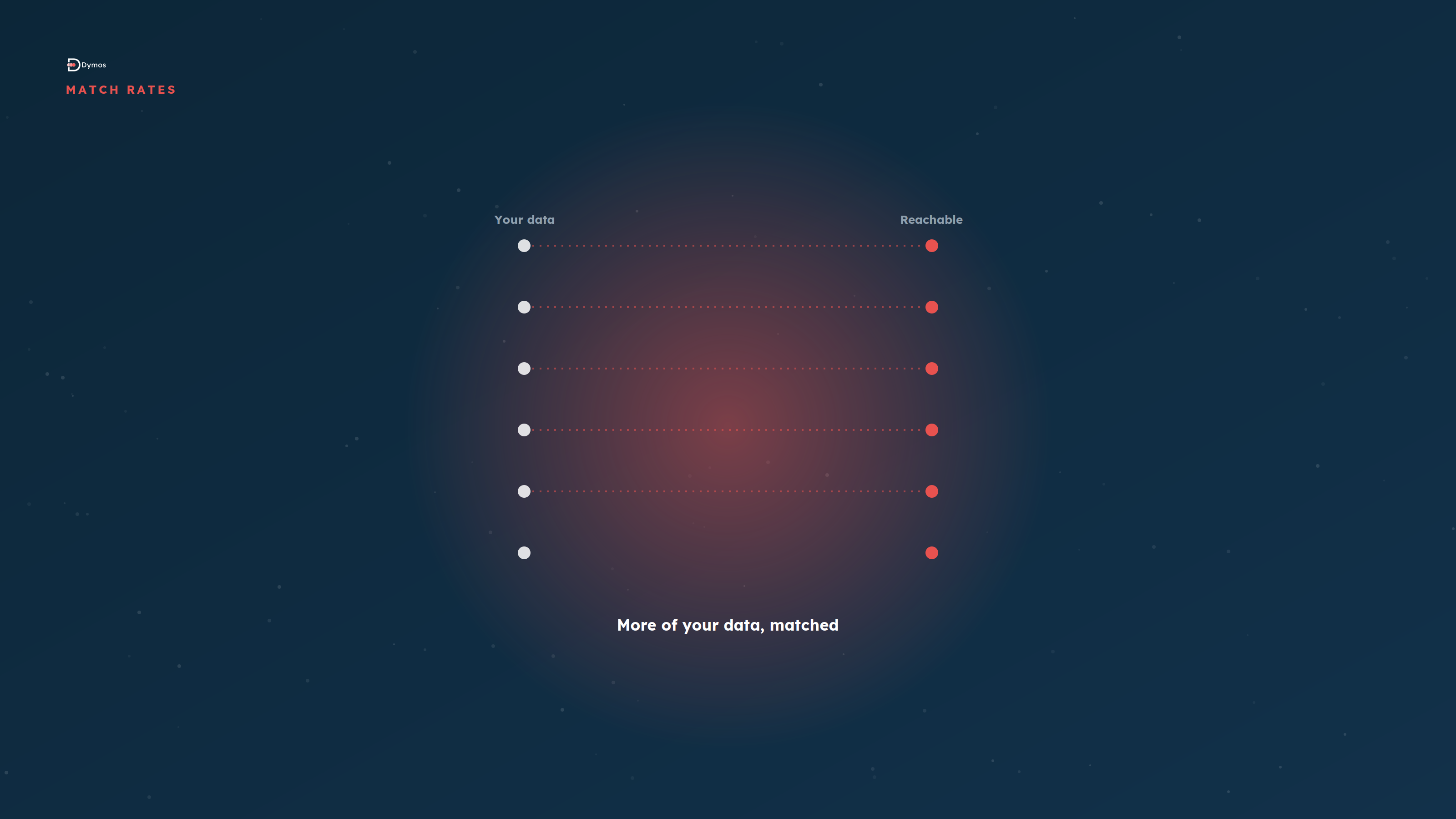
How to Improve Match Rates Without Third-Party Cookies
Match rates are the share of your audience that a platform can actually recognize and act on. As third-party cookies fade, they plateau. You lift them not by collecting more personal data, but by connecting the durable identifiers people already carry, hashed emails, mobile advertising IDs and household IP, so more of your first-party data finds a match.

Privacy-First Advertising Infrastructure, Explained
Privacy-first advertising infrastructure is the identity and audience layer beneath AdTech that works with pseudonymous signals rather than personal profiles. It restores addressability and audience precision without collecting or exposing who someone is, so platforms can recognize, reach and understand audiences while privacy stays in the architecture rather than bolted on at the end.
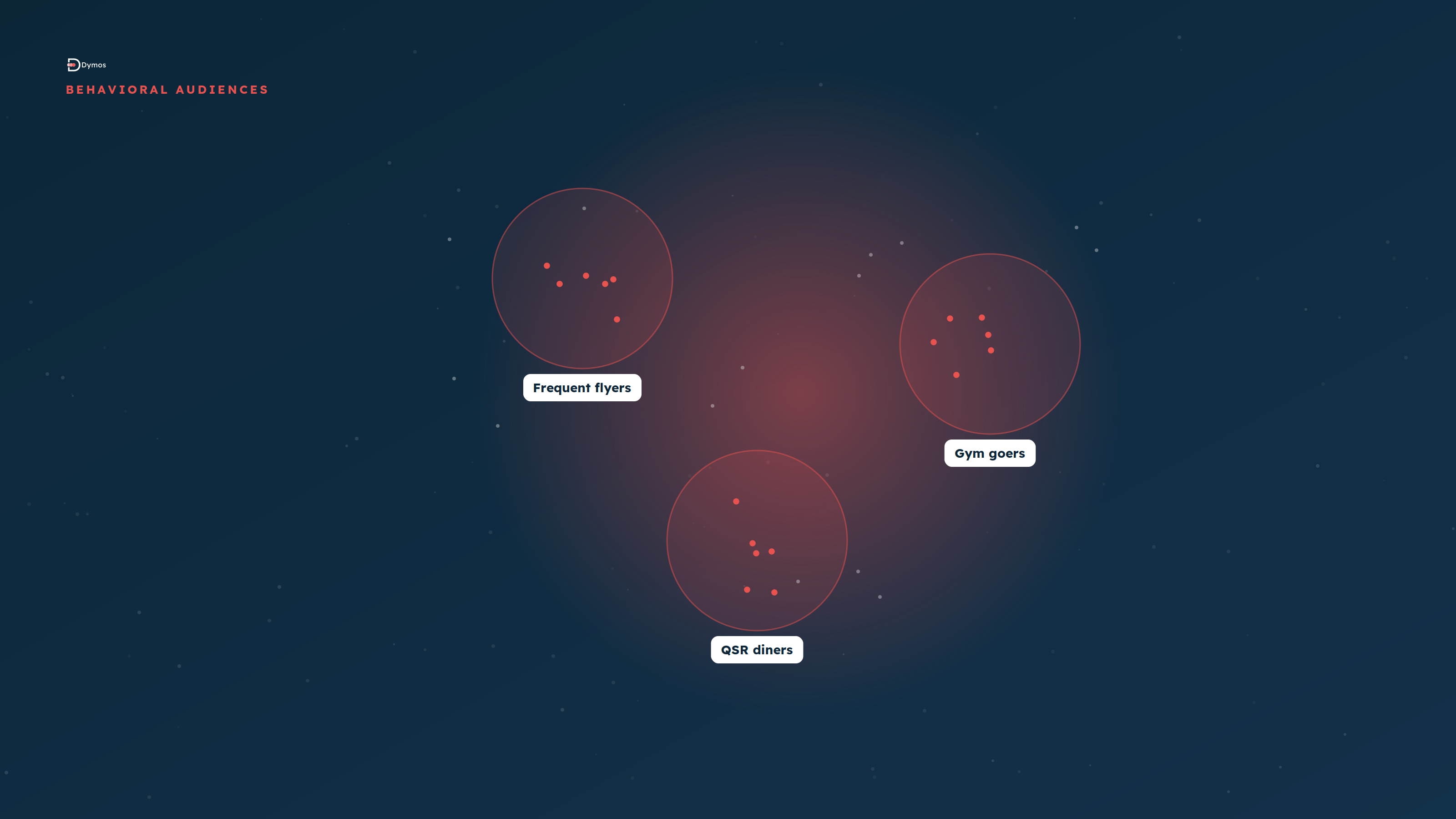
What Are Behavioral Audience Segments?
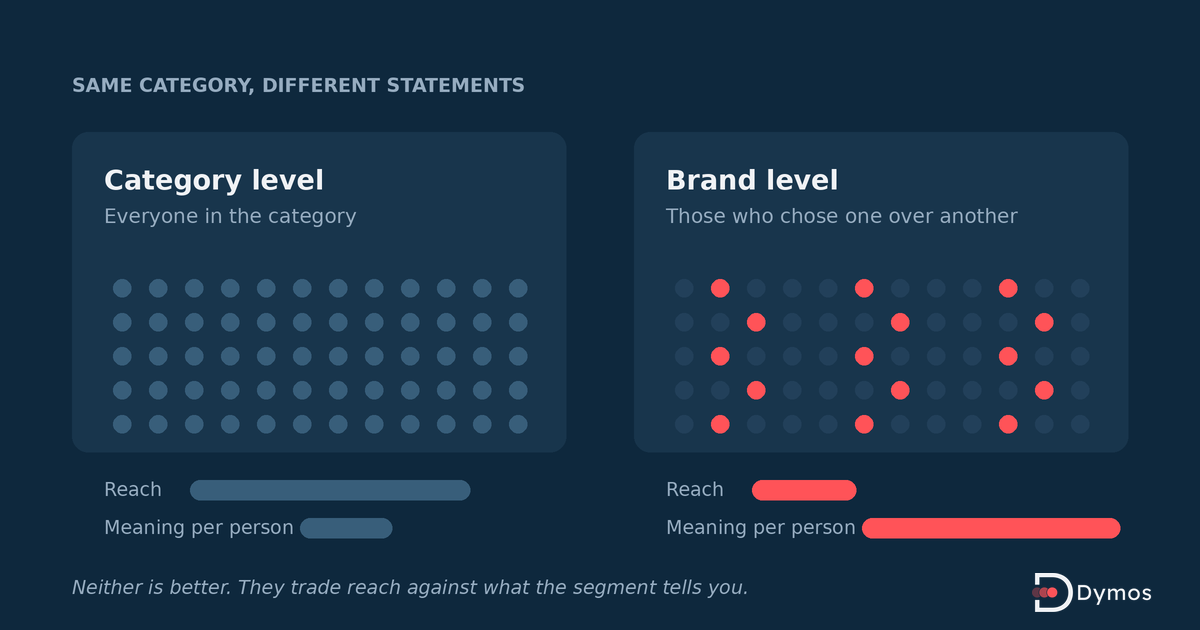
Behavioral audience segments group people by what they actually do in the real world, the places they visit, the areas they live and work, and the interests their behavior reveals, rather than by demographic assumptions. Built on observed behavior and delivered ready to activate, they let platforms reach real audiences instead of modeled guesses.
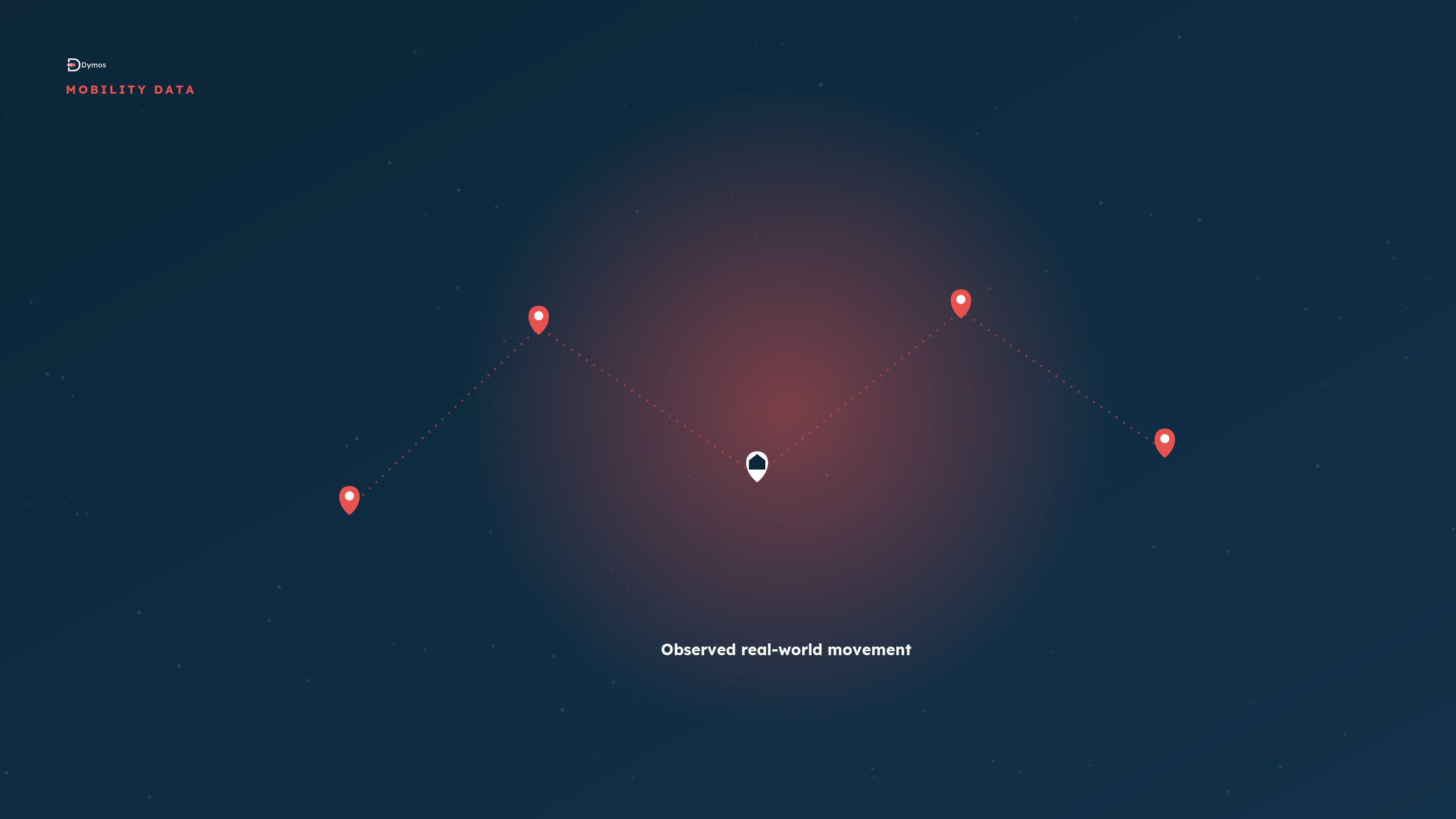
What Is Mobility Data in Advertising?
Mobility data is observed real-world movement, where devices actually go, turned into a clean, pseudonymous signal that platforms and advertisers can build audiences and models on. It is not modeled guesswork or demographic assumption. It is evidence of behavior in the physical world, delivered in a form that integrates into existing systems.
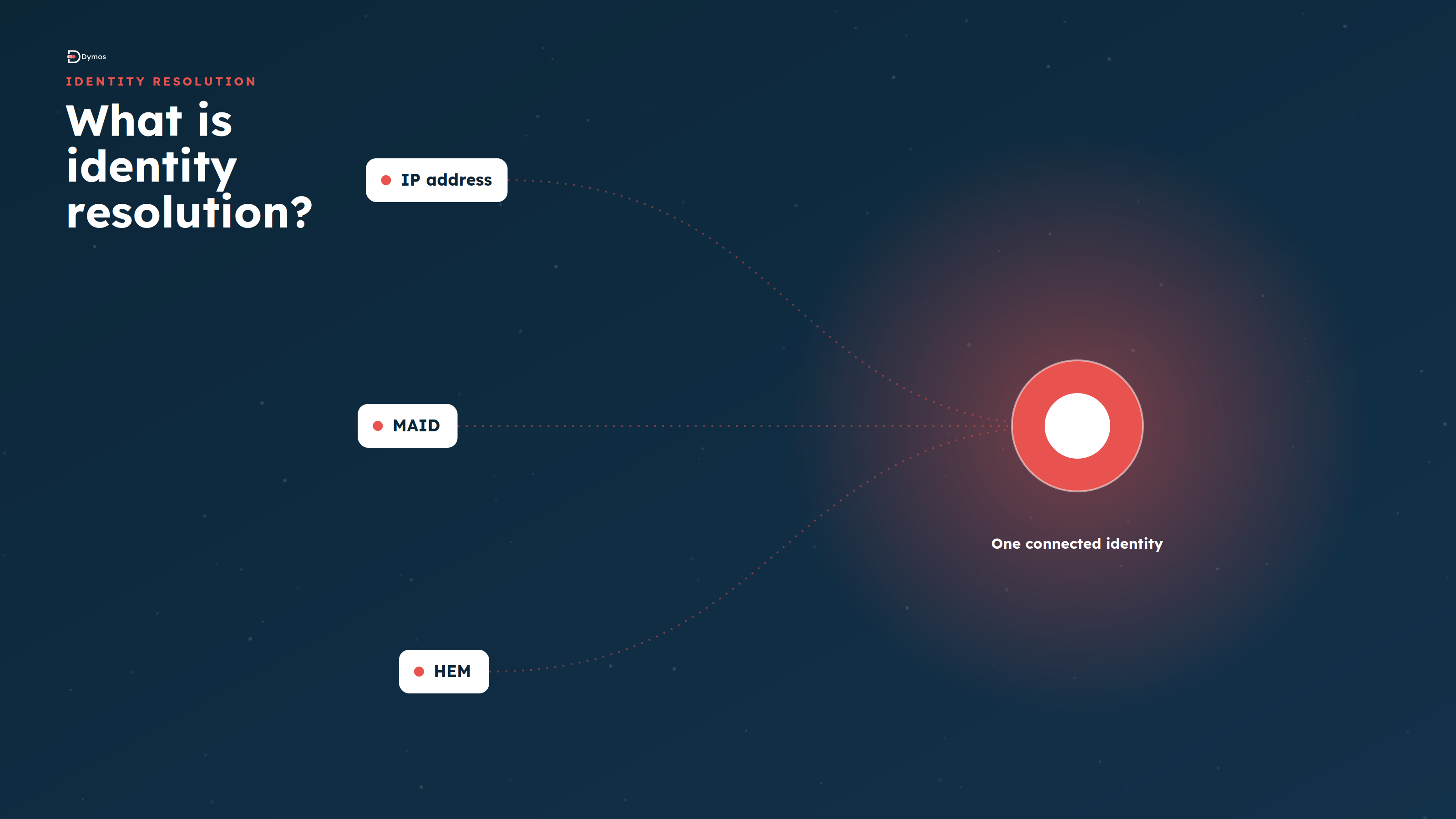
What Is Identity Resolution in Advertising?
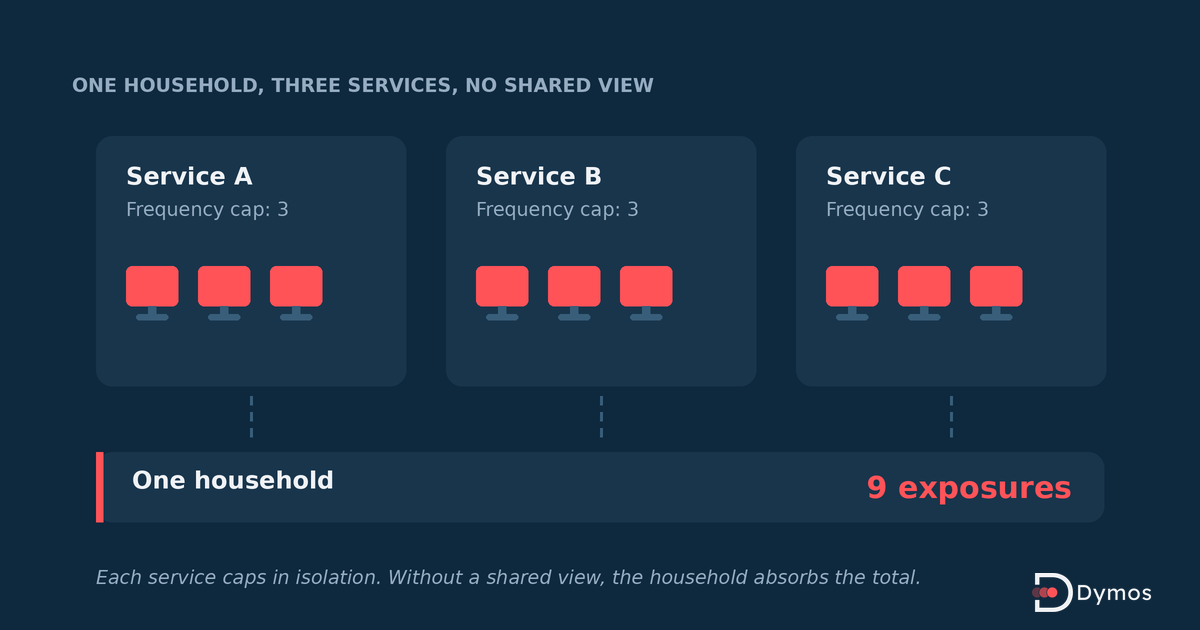
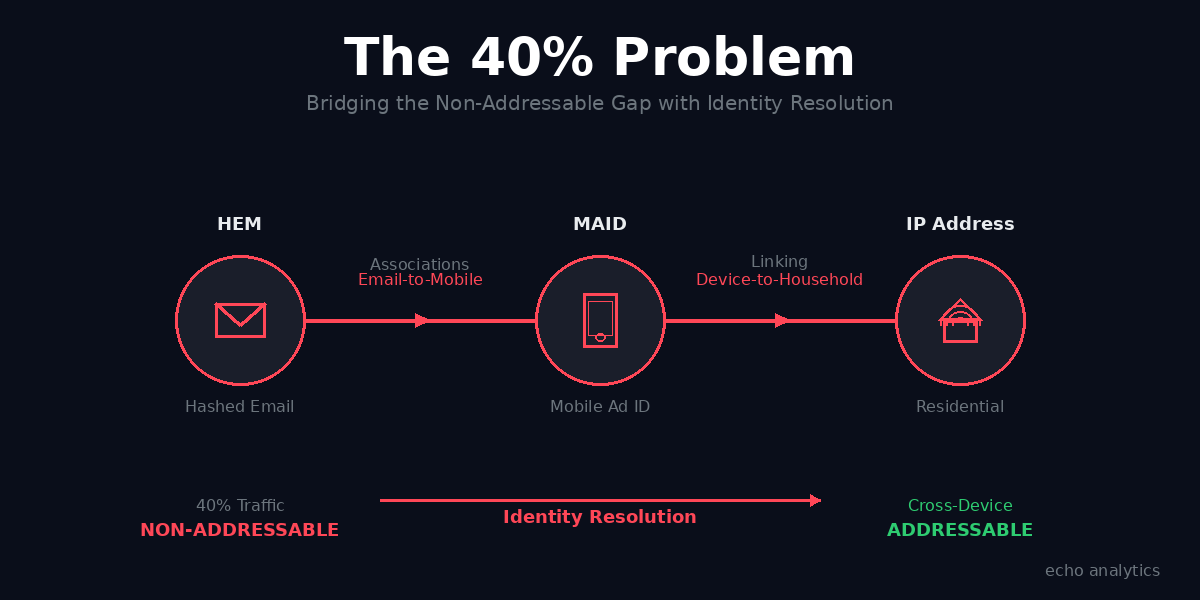
Identity resolution is the process of connecting the fragmented identifiers a person leaves across channels, such as a hashed email, a mobile advertising ID, and a household IP address, into one consistent, recognizable view. It does not reveal who someone is. It lets a platform recognize the same pseudonymous audience wherever it appears, so campaigns stay efficient, frequency stays controlled, and exposure can be connected to outcomes.