Reading time:
Last updated:
August 31, 2026
THE PROMISE AND THE GAP OF AGENTIC MEDIA BUYING
The pitch for agentic AdTech is compelling. Take a system that continuously ingests signal, models audience behavior, adjusts bids and creatives without human intervention, and improves its own decisions over time. Free planners and buyers to focus on strategy while the machine handles execution. In the right conditions, this compresses time-to-value, reduces manual effort, and unlocks personalization at a scale no human team could manage.
The condition that gets underdiscussed is signal quality. Every AI-driven system, regardless of how sophisticated its architecture, is bound by the input it consumes. Feed an agentic buyer inconsistent identity data, and it will optimize against inconsistency. Feed it fragmented signal across CTV, mobile, and retail media, and it will make fragmented decisions with more confidence than a human would. Speed and autonomy amplify whatever sits beneath them, good or bad.
WHY MOST IDENTITY INPUTS ARE NOT FIT FOR AI
Cookies were never designed for the AI era, but for years they were the crutch that held cross-device addressability together. That crutch is gone. Chrome's ongoing deprecation timeline is only the visible half of the story. The invisible half is that the alternative IDs positioned as replacements have not consolidated into a single dominant signal. Publishers work with two or three at once. Buyers stitch across half a dozen. Match rates hover well below what agentic systems need to make consistent decisions.
Layer AI on top of that fragmentation and the problem compounds. Traditional planning teams could compensate for gaps with judgment. Autonomous systems cannot. They optimize against the signal they see, treat missing data as absence rather than uncertainty, and scale confident decisions built on partial pictures. The math changes as data volume grows. Bad signal at scale is worse than bad signal at small scale.
WHAT AN AGENTIC-READY IDENTITY LAYER LOOKS LIKE
The identity layer that supports agentic media buying looks meaningfully different from the identity stack most platforms are running today.
The first characteristic is observed rather than modeled connections. Associations between hashed emails and mobile advertising IDs, or between IPs and devices, need to be based on real-world signal, not statistical extrapolation. Modeled connections introduce a compounding error when fed into autonomous decisioning. Observed ones do not.
The second is persistence across channels. CTV, mobile, and retail media each generate different signal types at different cadences. An identity layer that resolves these into consistent connections lets an agentic system build one continuous picture of an audience rather than three disconnected ones.
The third is refresh cadence. Weekly or monthly identity updates keep pace with real user behavior. Quarterly refreshes lag behind the very audience shifts an agentic system is trying to catch. Fresh signal is not a nice-to-have when the buyer downstream is making thousands of decisions per second.
The fourth is coverage. If the identity layer only resolves signal in three markets, an agentic system operating across ten will underperform in seven. Coverage across 200 or more countries removes geography as a source of missed opportunity.
The fifth, and increasingly non-negotiable, is that all of this must be GDPR-compliant by design. Privacy compliance in 2026 is not a footnote. It is a precondition for operating with European buyers, publishers, and retail media platforms at all.
THE BUSINESS OUTCOMES OF GETTING THIS RIGHT
The business case for investing in an agentic-ready identity layer is not abstract. Match rate improvements in the fifteen to twenty-five percent range translate directly into more addressable inventory, tighter attribution, and better model performance for downstream AI. Autonomous systems that see more of the audience make better decisions, and the compounding effect over weeks of automated optimization is significant.
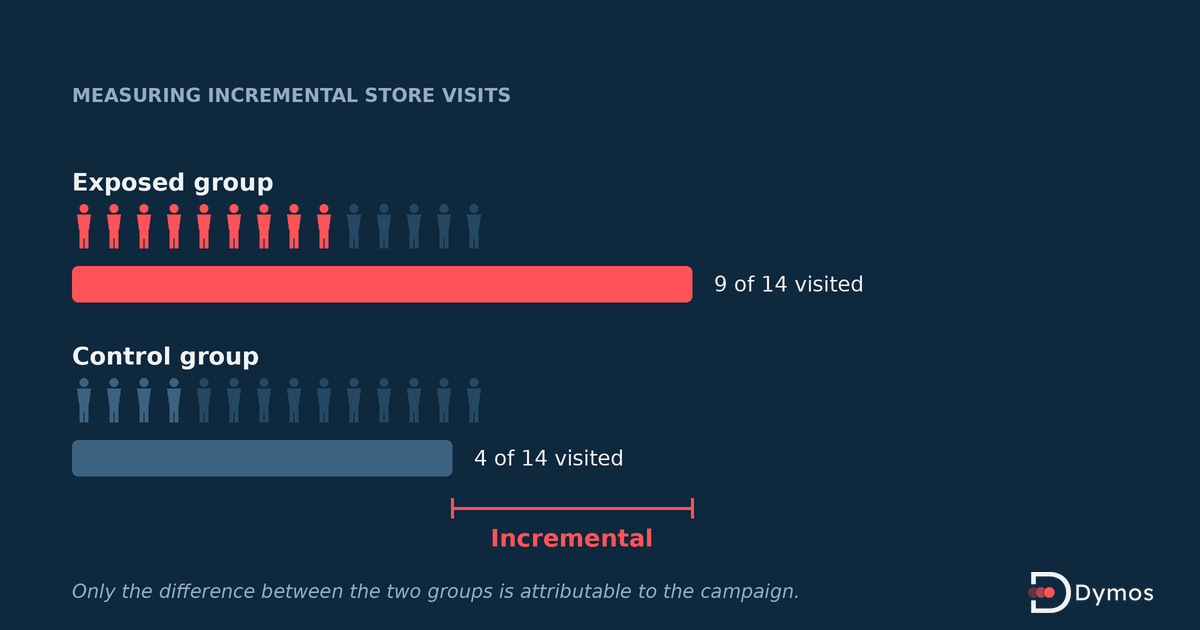
Attribution restoration is the second measurable gain. Cross-channel measurement remains one of the most fragile links in the AdTech stack. An identity layer that persists across channels turns three separate measurement pictures into one. That single picture is what makes ROI reporting to buyers credible, and what makes agentic systems adjust their spend allocation in ways that actually improve performance.
Cost efficiency is the third. Agentic systems make many more decisions than human teams. The cost of each poor decision is small on its own. Multiplied across millions of impressions, the aggregate cost of running on weak signal is substantial. Better signal quality reduces waste without adding a single human in the loop.
WHAT TO ASK YOUR IDENTITY VENDOR BEFORE DMEXCO
The questions that separate serious identity infrastructure from repackaged pitches are simple. Ask what percentage of the connections are observed versus modeled. Ask how often the identity graph refreshes. Ask which markets are covered at full depth versus limited coverage. Ask how the vendor handles GDPR obligations across EU markets. Ask what integration looks like into an existing platform stack rather than as a rip-and-replace.
Vendors comfortable answering these directly are the ones building infrastructure. Vendors that redirect to marketing narrative are the ones building slide decks.
SCALING WHAT YOU RUN ON
DMEXCO 2026's motto is Scaling Intelligence. The intelligence part is largely settled. Every serious platform in AdTech is deploying AI in some form. The scaling part is where the interesting problems live, and the least discussed input into scaling AI well is the signal layer underneath it.
Agentic media buying will scale in 2027 for the platforms that solve the identity layer this year. It will underperform for the ones that treat identity as a legacy concern.
If you are wrestling with how identity, real-world signal, or cross-channel measurement fit into your 2027 plan, the Dymos team will be on the ground in Cologne on 23-24 September. Book a free 20-minute consultation with the team. We will be talking to buyers, sellers, and platforms about exactly this.
Frequently asked questions
What is agentic media buying?
Agentic media buying refers to AI-driven advertising systems that autonomously ingest signal, model audience behavior, and adjust bids or creatives without human intervention. Unlike traditional programmatic, which relies on human-defined rules and oversight, agentic systems continuously self-optimize based on the data they consume. This is why signal quality has become the single most important input for these systems.
Why does AI media buying need better identity data?
AI-driven systems amplify whatever signal they receive. When identity data is fragmented or based on modeled guesses, autonomous decisioning compounds those errors at scale. Better identity data, based on observed connections, refreshed frequently, and consistent across channels, allows AI systems to make more accurate decisions and improve their own performance over time. Bad signal at scale is more damaging than bad signal at small scale, because agentic systems act on it faster and with more confidence than a human buyer would.
What is the difference between observed and modeled identity connections?
Observed connections are based on real-world signal, where two identifiers such as a hashed email and a mobile advertising ID have been directly linked through verifiable data. Modeled connections use statistical extrapolation to predict likely links between identifiers. Observed connections deliver higher accuracy and lower error rates when fed into autonomous decisioning systems, which is why they matter more for agentic media buying than for legacy planning workflows that could compensate for gaps with human judgment.
How often should an identity graph refresh for AI use cases?
For agentic media buying, weekly or monthly refresh cadences are the practical minimum. User behavior shifts faster than quarterly database updates can capture. When AI systems are making thousands of decisions per second downstream, they need signal that reflects current audience reality, not what audiences looked like months ago. Fresh signal is not a nice-to-have when the buyer downstream is fully autonomous.
What identity challenges are unique to CTV, mobile, and retail media?
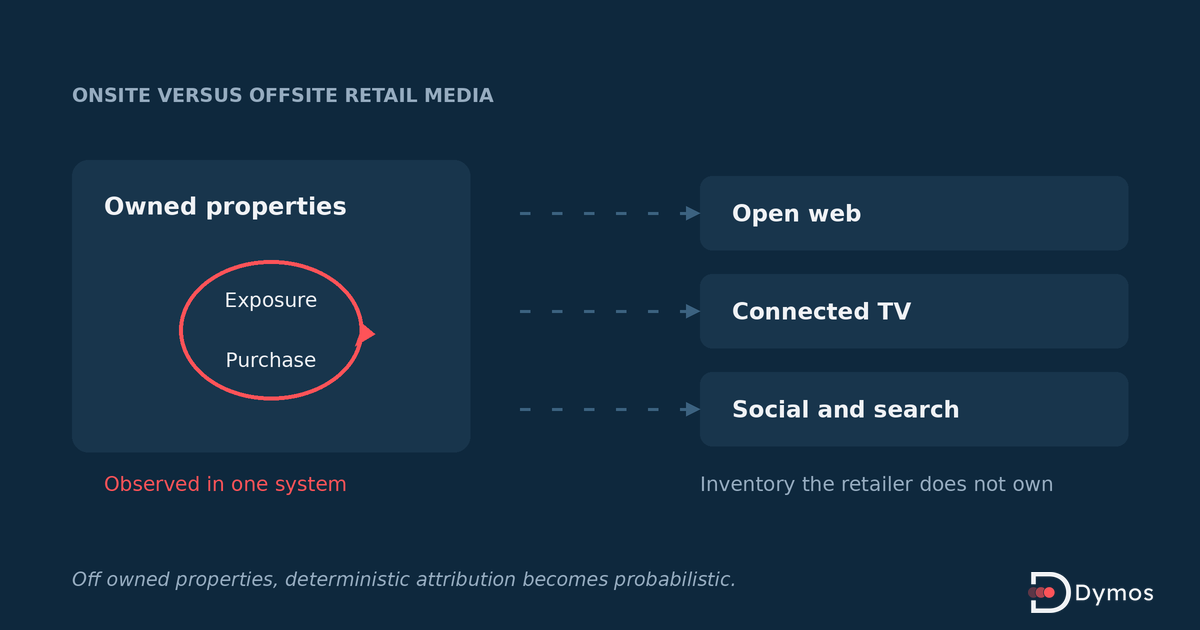
Each channel generates different signal types at different cadences. CTV relies heavily on IP-based signal in household environments. Mobile depends on mobile advertising IDs with varying opt-in rates. Retail media generates strong first-party signal but often stays trapped inside walled gardens. An identity layer that resolves these into consistent connections lets an agentic system build one continuous picture of an audience rather than three disconnected ones. Without that resolution, cross-channel measurement and attribution stay fragile.
What should you ask an identity vendor before signing?
The most useful questions cut through marketing narrative. Ask what percentage of connections are observed versus modeled, how often the identity graph refreshes, which markets are covered at full depth versus limited coverage, how the vendor handles GDPR obligations across EU markets, and whether integration works alongside your existing platform stack or requires a rip-and-replace. Vendors comfortable answering these directly are building infrastructure. Vendors that redirect to marketing narrative are building slide decks.
Is Dymos GDPR-compliant?
Yes. Dymos operates as GDPR-compliant identity infrastructure by design, which is a precondition for working with European buyers, publishers, and retail media platforms. Privacy compliance is treated as a baseline requirement rather than a feature, and all identity products including ID-Graph Feeds and audience products are built to meet EU regulatory obligations.